Introduction
Why model-based diagnostics?
When a complex system fails, a service engineer has to find out which part is broken. Typically only a few symptoms are visible, for example an error message or a function that does not work. Many parts could explain these symptoms, and every test or inspection costs time and money.
MBDlyb approaches this with a model of the system. The model describes:
the functions the system performs and how they depend on each other;
the hardware that realizes these functions and how it can fail;
what can be observed directly, and which diagnostic tests can be performed at which cost;
the operating modes that change which dependencies are active.
From this model, MBDlyb automatically generates a probabilistic reasoning model (by default a Bayesian network). The reasoning model computes the most likely causes of the observed symptoms, and which test gives the most useful information for its cost.
The methodology
MBDlyb is an open-source, proof-of-concept Python library. It was developed in the SD2Act and Carefree research projects, and it formalizes and consolidates the research done in these projects. With it you can specify large diagnostic networks easily and experiment at scale. MBDlyb-UI makes the library available through a web interface.
The figure shows the workflow of the methodology. Orange arrows need people. Green arrows are fully automated transformations or computations.
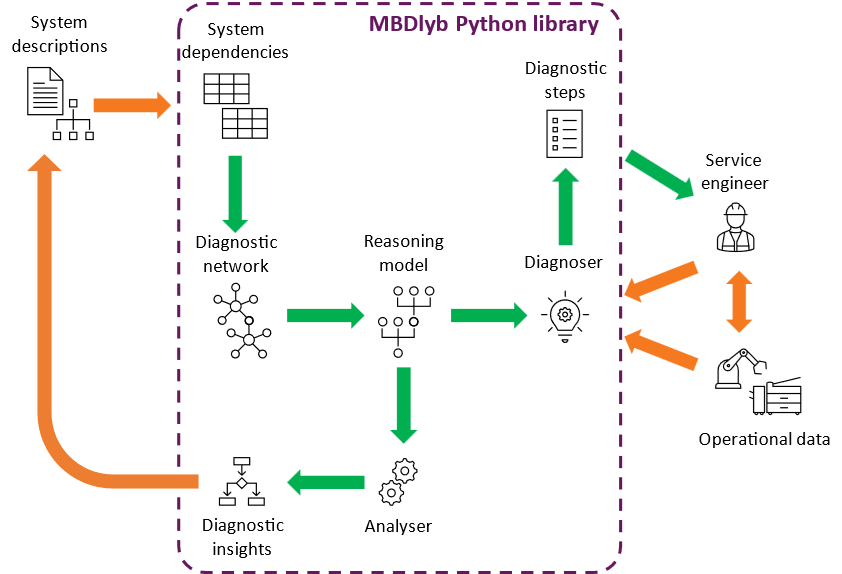
Fig. 2 High-level overview of the workflow of the methodology.
Model the system. Engineers turn system descriptions into system dependencies. They model the system in Capella with diagnostic annotations and import it (see Modelling in Capella), or build and edit the model in the model editor.
Refine the model. Add custom states and conditional probability tables (Conditional probability tables), tests, and observables. Then check the model with the validator. The result is the diagnostic network.
Generate the reasoning model. MBDlyb translates the diagnostic network into a probabilistic reasoning model automatically.
Use the model.
At service time, the diagnoser combines operational data and the observations of the service engineer. It proposes diagnostic steps (see The diagnoser).
At design time, the analyser gives diagnostic insights, such as the diagnosability of the design and diagnostic procedures. Designers use these insights to improve the system descriptions (see Design for diagnostics).
Everything is stored in a Neo4j graph database. You can open the same model in the web interface, in scripts that use the MBDlyb Python library, and in Neo4j’s own tools.
Example projects
Two company-agnostic example projects were developed during the projects with industry partners. Each comes as a Capella (7.0) model that follows the modelling guidelines of the methodology, and as a ready-to-use Neo4j database dump. The Capella models contain diagnostic annotations, so you can import them directly. The Capella archive also contains some CPTs, to complete the model after the import.
- CDRadioPlayer
A typical device from the ’90s that plays CDs and radio. It is simple to understand and shows the methodology. All screenshots in this guide use this model. Downloads: Capella | Database
- Car
Part of a car, with some parts modelled in more detail. Downloads: Capella | Database
To load a database dump into Neo4j, see Importing and exporting databases.
Contact
MBDlyb is developed by the TNO-ESI diagnostics team. For questions about the library, the interface or the methodology, contact Thomas Nägele.